These albatrosses aren’t ordinary seabirds—they’re secret agents.
On the open ocean, legal fishers are required to use long-range tracking systems so governments know where they are. But illegal fishers often turn off those systems so authorities can’t tell when they’re fishing in places they aren’t supposed to. The criminals catch more than they’re allowed—and also use methods that harm other animals like dolphins. “It’s difficult to patrol the oceans using boats because you can only cover a small area,” marine biologist Samantha Patrick says. That’s where the seabirds come in.
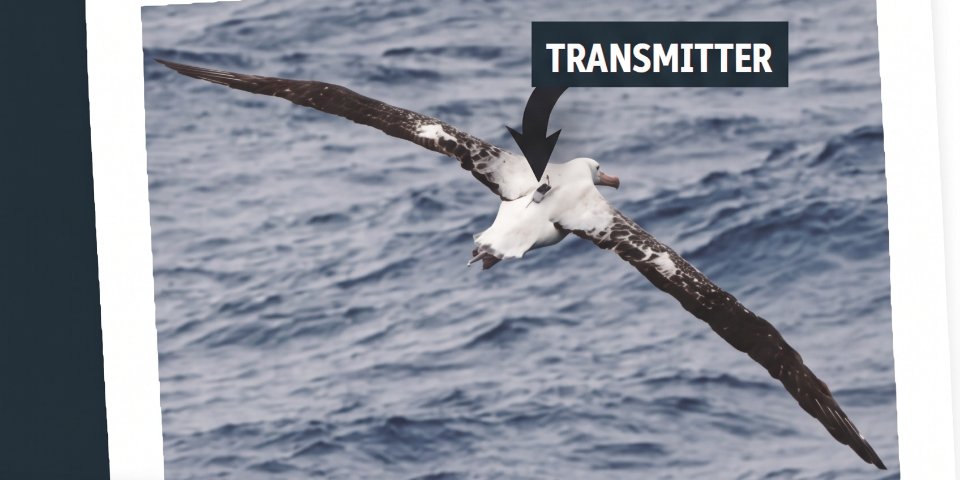
Patrick was part of a project that fitted nearly 200 albatrosses near the remote Crozet Islands in the southern Indian Ocean with radar-detecting transmitters. (Large fishing ships need to emit short-range radar to avoid crashing into other boats.) The birds follow the fishing boats to dine on the leftover animals the fishers catch in their nets but can’t sell. Meanwhile, the birds’ transmitters pick up on the radar and send the info back to officials. If the signal is coming from an illegal boat, they can send out ships to bust the criminals in the act.
“This is a great example of animals providing a conservation solution that humans can’t do themselves,” Patrick says.
Outlaws beware: There’s a new sheriff on the seas.
| واژه | فونتیک (American) | نقش دستوری | تعریف ساده انگلیسی | ترجمه فارسی |
| albatross | /ˈæl.bə.trɑːs/ | noun | a very large ocean bird with long wings | مرغ آلباتروس (مرغ بزرگ دریایی) |
| secret agent | /ˌsiː.krət ˈeɪ.dʒənt/ | noun | a spy who works secretly for a government | مامور مخفی، جاسوس |
| long-range | /ˌlɑːŋˈreɪndʒ/ | adjective | traveling or operating over large distances | دوربرد |
| tracking system | /ˈtræk.ɪŋ ˌsɪs.təm/ | noun phrase | equipment used to follow the movement/location of an object | سامانه ردیابی |
| authorities | /əˈθɔːr.ə.t̬iz/ | noun (plural) | the official people or organizations in control (like police) | مقامات، مسئولان |
| patrol | /pəˈtroʊl/ | verb / noun | to go around an area regularly to keep it safe | گشت زدن، پاسداری دادن |
| remote | /rɪˈmoʊt/ | adjective | far away from cities, places, or people | دورافتاده، پرت |
| fit (with) | /fɪt wɪð/ | verb | to equip or attach something to someone or something | مجهز کردن، سوار کردن روی |
| transmitter | /trænzˈmɪt̬.ɚ/ | noun | a device that sends out radio signals | فرستنده، دستگاه ارسال سیگنال |
| emit | /iˈmɪt/ | verb | to send out light, sound, radio waves, or gas | ساطع کردن، انتشار دادن |
| bust ... in the act | /bʌst ... ɪn ði ækt/ | idiom | to catch someone while they are doing something illegal | مچ کسی را سر بزنگاه گرفتن |
| conservation | /ˌkɑːn.sɚˈveɪ.ʃən/ | noun | the protection of animals, plants, and natural resources | حفاظت از محیط زیست/حیات وحش |
| sheriff | /ˈʃer.ɪf/ | noun | an officer responsible for keeping the law | کلانتر، مجری قانون |
۱. حذف ضمیر موصولی در نقش مفعول (Omission of Relative Pronoun)
“...to dine on the leftover animals [that/which] the fishers catch in their nets but can’t sell.”
نکته: هرگاه ضمیر موصولی (that یا which) مفعولِ جمله وارهی پیرو باشد، میتوان آن را بهطور طبیعی در انگلیسی حذف کرد. در این متن، بعد از animals ضمیر that آورده نشده و مستقیماً فاعل و فعل آمده است (animals the fishers catch به جای animals that the fishers catch).
۲. ساختار be supposed to برای بیان انتظار یا قوانین
“...when they’re fishing in places they aren’t supposed to [fish in].”
نکته: ساختار be supposed to + infinitive نشاندهنده این است که از فرد چه کاری انتظار میرود، چه چیزی طبق قانون یا برنامه قرار بوده انجام شود، یا انجام چه کاری مجاز نیست. همچنین در انتهای جمله برای جلوگیری از تکرار، ادامهی عبارت بعد از حرف اضافه یا نشانهی مصدر (to) حذف شده است (Ellipsis).