
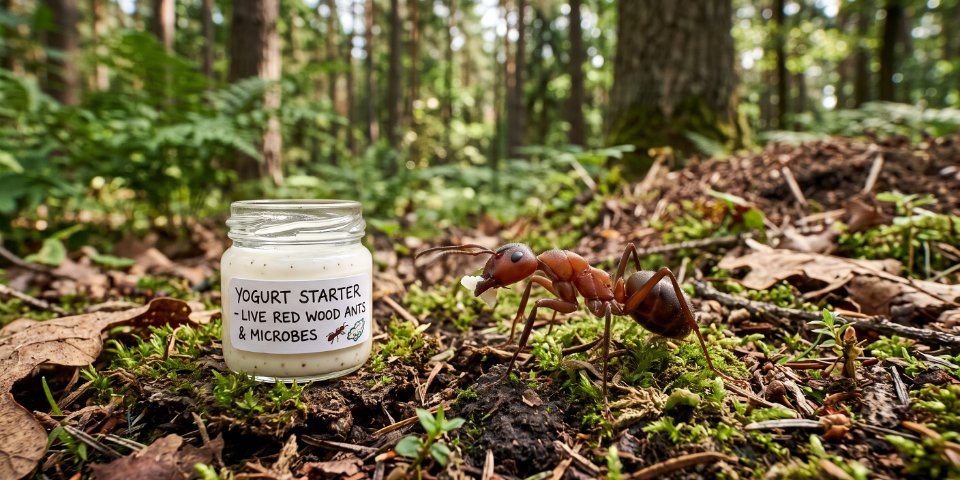
In parts of Eurasia, the key to a tangy yogurt treat scurries along the forest floor. That secret ingredient? Ants!A once-popular yogurt-making technique uses ants and their microbes. The bacteria are used to kick-start the fermentation process that makes yogurt so thick and tangy. The traditional recipe requires live ants — not frozen or dehydrated ones. Now, scientists have identified the exact microbes the ants have that make this creamy treat so tasty. es. Anthropologist Sevgi Mutlu Sirakova works at Ludwig-Maximilians-University Munich. That’s in Germany. Her ancestors came from a village in Bulgaria. Around there, it was once common to make yogurt with the help of red wood ants. it would ferment overnight. The next day, the now-acidic milk had begun the early stages of becoming yogurt. It even developed a tangy and herb-like taste.
| واژه | فونتیک (American) | نقش دستوری | تعریف ساده انگلیسی | ترجمه فارسی |
| tangy | /ˈtæŋ.i/ | adjective | having a sharp, pleasant, slightly sour taste | ملس و ترشمزه، تند و تیز مطبوع |
| scurry | /ˈskɜːr.i/ | verb | to move quickly with short steps | با عجله و تندتند دویدن |
| kick-start | /ˈkɪk.stɑːrt/ | verb | to start or speed up a process | استارت زدن، با شتاب شروع کردن |
| fermentation | /ˌfɝː.mənˈteɪ.ʃən/ | noun | a natural chemical change caused by bacteria or yeast | تخمیر |
| dehydrated | /diːˈhaɪ.dreɪ.t̬ɪd/ | adjective | with all the water or moisture removed | بیآبشده، خشکشده |
| date to | /ˈdeɪt tuː/ | phrasal verb | to have existed since a particular time | قدمت داشتن به، بازگشتن تاریخچه به |
| acidify | /əˈsɪd.ə.faɪ/ | verb | to make something sour or acidic | اسیدی کردن، ترش کردن |
| thicken | /ˈθɪk.ən/ | verb | to become or make a liquid less runny and more solid | غلیظ کردن / غلیظ شدن |
| put to the test | /pʊt tuː ðə test/ | idiom | to check how well something works in practice | محک زدن، در بوته آزمایش قرار دادن |
| ant mound | /ˈæntmaʊnd/ | noun phrase | a small hill or pile of dirt built by ants | لانه تپهای مورچهها |
| break down | /ˈbreɪk daʊn/ | phrasal verb | to separate into simpler parts or chemicals | تجزیه کردن، خرد کردن |
| parasite | /ˈper.ə.saɪt/ | noun | a tiny organism that lives on or in another host | انگل |
۱.توضیح و کابرد گرامری:
«bacteria that produce lactic acid and acetic acid, which thicken milk.....»
تفاوت با جملهوارههای عادی:
در اکثر مواقع ضمیر موصولی مثل which فقط به یک اسم قبل از خود اشاره میکند؛ اما در این ساختار و با آمدن ویرگول (comma)، میتواند به کل نتیجه یا عمل قبلی (تولید اسید لاکتیک و اسید استیک) اشاره کند.
نقش کاما (Comma):
قبل از which حتماً کاما میآید چون اطلاعات اضافهشده جنبه توضیحی تکمیلی دارد (Non-defining). اگر این بخش حذف شود، معنای اصلی جمله ناقص نمیشود.
عدم استفاده از that:
در این نوع جملهوارههای توضیحی (بعد از کاما)، هرگز نباید از that به جای which استفاده کرد.
۲.توضیح و کاربرد گرامری:
ساختار شرطی/علت و معلولی غیررسمی (The Reason Why)
این ساختار برای نتیجهگیری و جمعبندی نکات بسیار پرکاربرد است:
جمله متن:
«That’s why, researchers say, you shouldn’t try this at home.»
نکته کاربردی: عبارت That's why به جای Because یا Therefore در مکالمه و متنهای نیمهرسمی به کار میرود و معنای «به همین دلیل است که...» میدهد.
Would you ever dare to taste yogurt made with live ants? Why or why not?